
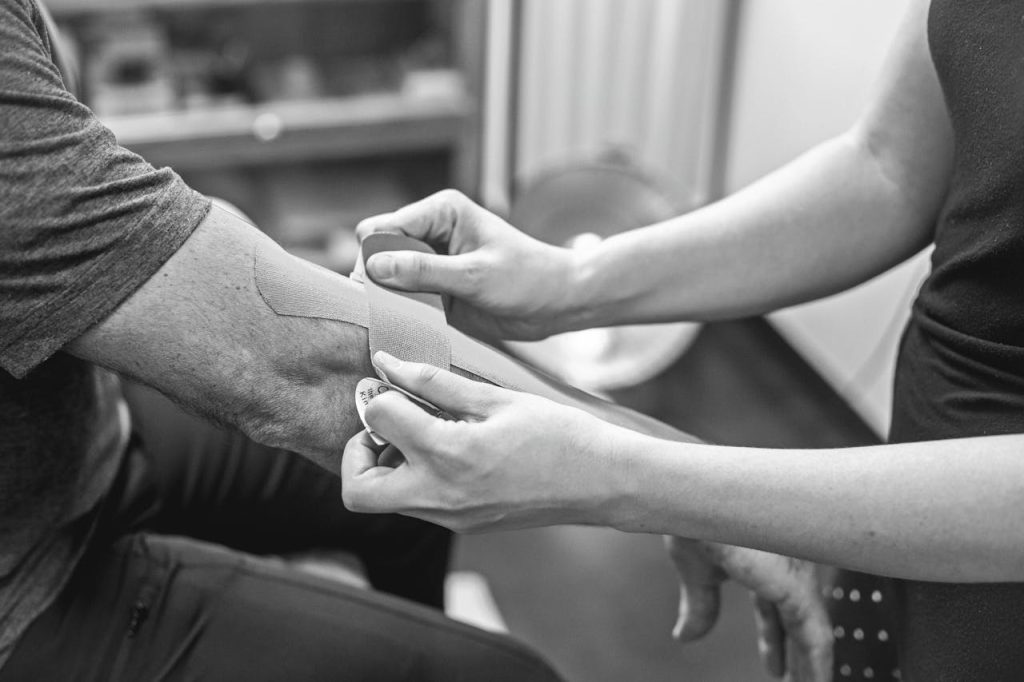
Roofing is one of the most physically demanding trades out there. From lifting shingles to repetitive hammering and working at awkward angles, your elbows take a constant beating. Over time, that strain can lead to pain, inflammation, and even long-term injury if it’s not addressed early.
Many roofers push through discomfort, assuming it’s just part of the job. But ignoring elbow pain can turn a minor issue into something that affects your ability to work altogether. That’s why understanding recovery—and incorporating the right physical therapy elbow exercises—can make a major difference in both performance and longevity in the trade.
Why Roofers Are Prone to Elbow Injuries
Elbow injuries in roofing typically come from repetitive motion and overuse. Common causes include:
- Constant gripping of tools like nail guns and hammers
- Repetitive lifting of heavy materials
- Awkward arm positioning while working on slopes
- Lack of proper recovery between long workdays
Over time, these movements can lead to conditions like tendonitis (often called tennis elbow or golfer’s elbow), where the tendons become inflamed and painful.
Early Signs You Shouldn’t Ignore
Catching elbow issues early is key. Watch for:
- Pain when gripping or lifting objects
- Stiffness in the elbow, especially in the morning
- Weakness in your forearm or wrist
- A burning or aching sensation during or after work
If you’re noticing any of these symptoms, it’s a signal your body needs attention—not just rest, but proper recovery strategies.
Simple Elbow Exercises That Help
Adding a few targeted exercises to your routine can relieve pain and strengthen the muscles around your elbow. Here are some effective ones:
1. Wrist Extensor Stretch
Extend your arm straight in front of you, palm facing down. Use your other hand to gently pull your fingers downward until you feel a stretch along your forearm. Hold for 15–30 seconds.
2. Wrist Flexor Stretch
This time, extend your arm with your palm facing up. Gently pull your fingers back toward your body. This helps balance the muscles used during gripping and lifting.
3. Eccentric Wrist Curls
Using a light weight, support your forearm on a surface and slowly lower the weight down with control. This type of movement is especially effective for tendon recovery.
4. Grip Strength Training
Use a stress ball or grip trainer to build strength in your hands and forearms, reducing strain on your elbow during work.
Work Smarter, Not Just Harder
Exercise is important, but so is how you approach the job itself. A few small changes can significantly reduce strain:
- Alternate arms when possible to avoid overuse
- Take short breaks to stretch throughout the day
- Use ergonomic tools designed to reduce joint stress
- Warm up your arms before starting physically intense tasks
These adjustments can help prevent injuries before they start.
When to Take It Seriously
If pain persists for more than a couple of weeks or starts interfering with your work, it’s time to take a closer look. Chronic elbow injuries can worsen without proper treatment and lead to extended downtime.
The goal isn’t just to get rid of pain—it’s to restore strength, mobility, and long-term function so you can keep working without setbacks.
Final Thoughts
Your elbows are essential to everything you do on the job. Taking care of them isn’t optional—it’s part of staying productive and protecting your livelihood.
By recognizing early warning signs, making small adjustments to your workflow, and incorporating the right exercises, you can stay ahead of injury and keep performing at your best for years to come.